



Capacity Building

Strengthening Tanzania’s Climate Diplomacy: Wajibika Programme
Through this consultancy under the Wajibika programme, CAN Tanzania is strengthening Tanzania’s readiness and negotiation capacity for COP30, ensuring that national delegates and the wider Africa Group are supported with timely technical inputs from expert civil society organizations (CSOs). The work will enhance coordination between CSOs and the Government of the United Republic of Tanzania (URT), particularly through close collaboration with the Vice President’s Office, before, during, and after COP30. Key milestones include convening a Pre-COP30 National Dialogue and tailored responsive support during COP30, positioning Tanzania to engage more strategically and effectively in global climate negotiations.
CAN Tanzania will facilitate inclusive stakeholder engagement by establishing platforms to strengthen policy coherence and participatory climate governance, while contributing technical support to the drafting of NDC 3.0.
CAN Tanzania will also convene a Post-COP30 debrief and policy dialogue to ensure that global outcomes are translated into tangible next steps, creating sustained momentum and reinforcing accountability, coordination, and long-term climate action in Tanzania.
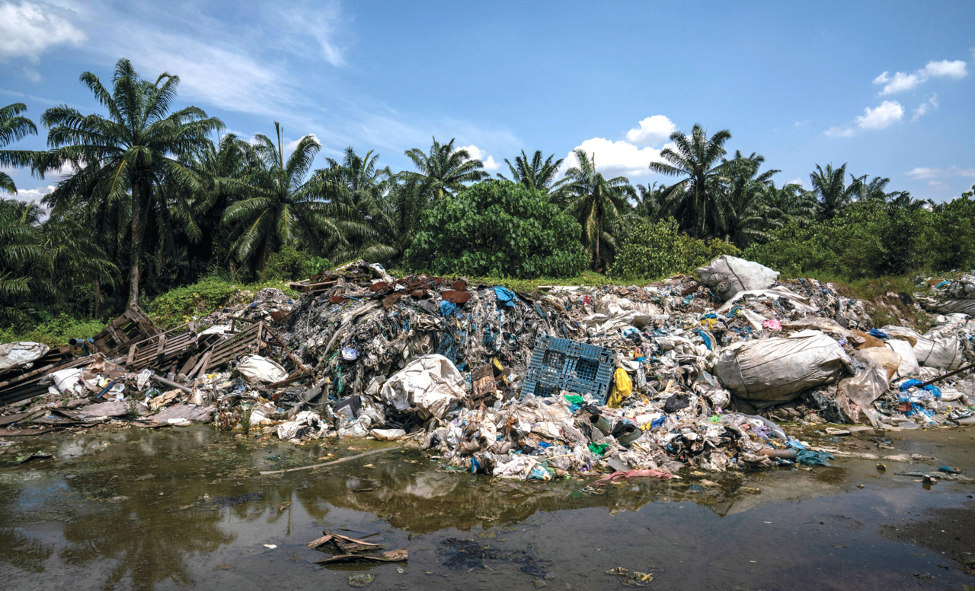
Undertaking Research on Plastic Waste Pollution and Assess Circular Economy Opportunities to Enhance Plastic Waste Management in Dar es Salaam and Coast regions, Tanzania.
Plastic pollution in Tanzania's marine environment has emerged as one of the most pressing environmental challenges of our time. The accumulation of plastic waste across the environment, including in estuaries, oceans, rivers, and coastal areas, has reached alarming levels. This pollution poses a significant threat to marine biodiversity, disrupts vital ecosystems, and jeopardizes human health, particularly through the infiltration of microplastics into the food chain. Recent assessments confirm that plastic is the most dominant type of marine litter, accounting for over 65% of all waste in the region. The bulk of this plastic waste is generated by urban centers, particularly Dar es Salaam, and is primarily composed of items such as plastic bags, bottles, caps, and packaging materials. A large proportion of this waste ends up in the ocean, primarily due to inadequate waste management systems, insufficient infrastructure, and limited recycling efforts.
In response to this growing crisis, this assignment seeks to conduct comprehensive research on plastic waste management as part of the Pamoja Tuhifadhi Bahari Yetu Project. The research will focus on mapping the scale of plastic waste, identifying key leakage hotspots, assessing both environmental and socioeconomic impacts, and identifying opportunities for scalable interventions and circular economy potentials, particularly in Kinondoni, Ilala, Temeke, and Mafia.
The main objectives of the assignment are i) To quantify the magnitude of plastic waste and map plastic waste generation and leakage hotspot areas in Ilala, Temeke, Kinondoni and Mafia districts. ii) To assess the impact of plastic waste pollution in Ilala, Temeke, Kinondoni and Mafia districts. Iii) Identify locally relevant circular economy opportunities for plastic waste management and job creation, livelihoods, and income-generating opportunities.
Integrated Assessment for Article 6 (IAA6) in Tanzania
The Integrated Assessment Approach to Article 6 of the Paris Agreement (IAA6), developed by UNOPS, provides countries with a practical framework to align their mitigation strategies with their Nationally Determined Contributions (NDCs), the Sustainable Development Goals (SDGs), and the broader objectives of the Paris Agreement.
Tanzania, together with Peru and Sri Lanka, is among the first countries to test and refine this framework. The initiative will strengthen Tanzania’s ability to analyse, plan, and implement Article 6 cooperation effectively while ensuring environmental and social integrity.
The project is implemented by a consortium led by Perspectives Climate Research, Climate Analytics, and Climate Action Network Tanzania. The consortium leverages extensive expertise in Article 6 rulemaking, carbon markets, sectoral decarbonization pathways, and national climate policy development specific to Tanzania and other low- and middle-income countries. The IAA6 approach is designed to be systemic and actionable, emphasizing evidence-based decision-making through integrated assessment modeling (including the open-source SiSePuede tool), alignment with international transparency frameworks, and promoting transformational shifts in climate policy.
By fostering South-South cooperation, the approach aims to enhance climate ambition, facilitate implementation of NDCs, and promote broader regional and global adoption of Article 6 cooperation frameworks, with particular attention to environmental and social integrity, and sustainable development outcomes